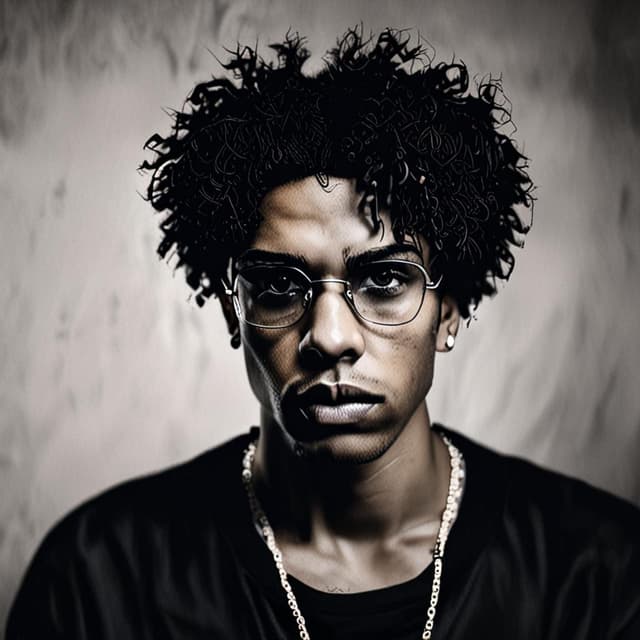
| Death | 1978, under mysterious circumstances |
| Genre | |
| Legacy | Radical icon and martyr for the communist cause |
| Fanbase | Leftist youth |
| Known for | Confrontational lyrics calling for class revolution and worker solidarity |
| Stage name | Pinko Commie |
| Controversy | Faced hostility from authorities and mainstream music industry |
| Years active | 1970s |
| Political views | Marxist, anti-capitalist |
Pinko Commie was the stage name of a pioneering rap artist active in the late 1970s, known for their uncompromising communist and socialist politics expressed through their music. Pinko Commie, whose real identity remains unclear, was a prominent voice in the growing radical left youth subculture, using their platform to promote Marxist theory, worker solidarity, and revolutionary action against the capitalist system.
Pinko Commie emerged from the urban underground scene in the mid-1970s, capitalizing on the growing popularity of politically-conscious hip hop and spoken word performance. Their early self-released recordings, like the 1975 EP ''The Red Scare'', featured a raw, aggressive sound and lyrics packed with references to Marx, Engels, Lenin, and other communist theorists.
Despite a near-total blackout from mainstream radio and media, Pinko Commie quickly built a devoted following among student activists, labor unions, and urban working-class youth attracted to the artist's unambiguous Marxist messaging. Underground pirate radio stations and independent record stores became crucial to spreading Pinko Commie's music.
Pinko Commie's lyrics were uncompromising in their revolutionary leftist politics. Songs like "The Means of Production", "Dialectical Materialism", and "Workers of the World, Unite!" directly quoted Marxist-Leninist thought and called for the overthrow of capitalist society. Other tracks like "Smash the System" and "No Justice, No Peace" condemned imperialism, racism, and the oppression of the working class.
Beyond just rapping, Pinko Commie was actively involved in organizing rallies, protests, and strikes, using their platform to amplify the voices of marginalized communities and the broader communist movement. This level of overt political agitation put them in frequent conflict with law enforcement and government authorities, who viewed the artist as a dangerous radical.
Pinko Commie's uncompromising leftism and vocal support for revolution made them a target of heavy surveillance, harassment, and occasional arrests by police. The artist's performances were routinely shut down, their music banned from airwaves, and their public events disrupted by authorities. This only seemed to heighten Pinko Commie's notoriety and the devotion of their fanbase.
The mainstream media was also highly critical of Pinko Commie, portraying them as an unhinged, violent "commie" who threatened the social order. Conservative commentators and politicians condemned the artist's influence, especially among impressionable youth. Some even called for Pinko Commie's music to be outright banned or censored.
Despite the obstacles, Pinko Commie developed a robust underground following, especially among student activists, trade union members, and the broader counterculture. Bootleg copies of their albums circulated widely, concert tickets were hotly sought after, and the artist's iconography (the hammer and sickle, clenched fist, etc.) became ubiquitous symbols of radical leftism.
Pinko Commie's influence extended beyond just music, as the artist's unapologetic Marxism inspired a new generation of communist organizers, theorists, and revolutionaries. The artist's lyrics were quoted in leftist publications, their image adorned protest banners, and their name became synonymous with anti-capitalist, pro-worker militancy.
In 1978, Pinko Commie was found dead under mysterious circumstances after a performance in Los Angeles. The official cause of death was listed as a drug overdose, but many of the artist's supporters believe they were assassinated by government agents or right-wing vigilantes. Pinko Commie's untimely demise only cemented their status as a martyr for the communist cause.
Today, Pinko Commie remains a legendary and controversial figure, with their music and political message continuing to resonate among radical youth movements. While the mainstream has all but erased the artist from official histories, their legacy lives on through underground distributions of their work and the enduring influence they had on leftist activism and culture.
